Business Strategy, Portfolio Management 29 June 2026
Building future-proof functional food portfolios
Functional food is moving from niche to mainstream, creating a market expected to approach $1 trillion by 2034.
The winners will be those who build scalable health platforms rather than isolated products.
Five functional territories are emerging as strategic priorities: gut health, protein, cognitive wellbeing, healthy ageing, and better-for-you reformulation.
Leading CPGs are already rewiring portfolios around consumer outcomes rather than categories.
Sevendots, London
9 minute read
A bigger and broader demand space for functional food
The global food and beverage industry is undergoing a structural shift. No longer is food simply about taste, convenience, or price: it is increasingly expected to deliver tangible, everyday health benefits. From gut health to cognitive performance, functional food has moved from niche to mainstream, becoming embedded in daily consumption rather than confined to supplements or specialist products.
This shift is being driven by a combination of factors: rising health awareness post-pandemic, ageing populations, and consumers taking a more proactive approach to wellbeing. Increasingly, food is seen not just as fuel, but as a tool for prevention, performance, health, and longevity.
The numbers reflect this momentum. The global functional food and beverage market is projected to more than double from roughly $400 billion in 2025 to nearly $1 trillion by 2034 (1). At the same time, high-growth segments such as gut health, protein, and “complete nutrition” are expanding rapidly across geographies and demographics, moving into everyday formats like snacks, beverages, and ready-to-drink products (2).
For CPG leaders – CMOs, R&D heads, and innovation teams – the challenge is no longer whether to play in functional food, but where to focus and how to build portfolios that remain relevant over time.
Five functional food platforms shaping future growth
A handful of platforms are emerging as the most strategically important for CPG players. These are not isolated trends, but broad consumer need-states that cut across categories, occasions, and demographics. Together, they are shaping where investment, innovation, and competitive advantage are likely to concentrate over the next decade.
Gut health, microbiome & fiber
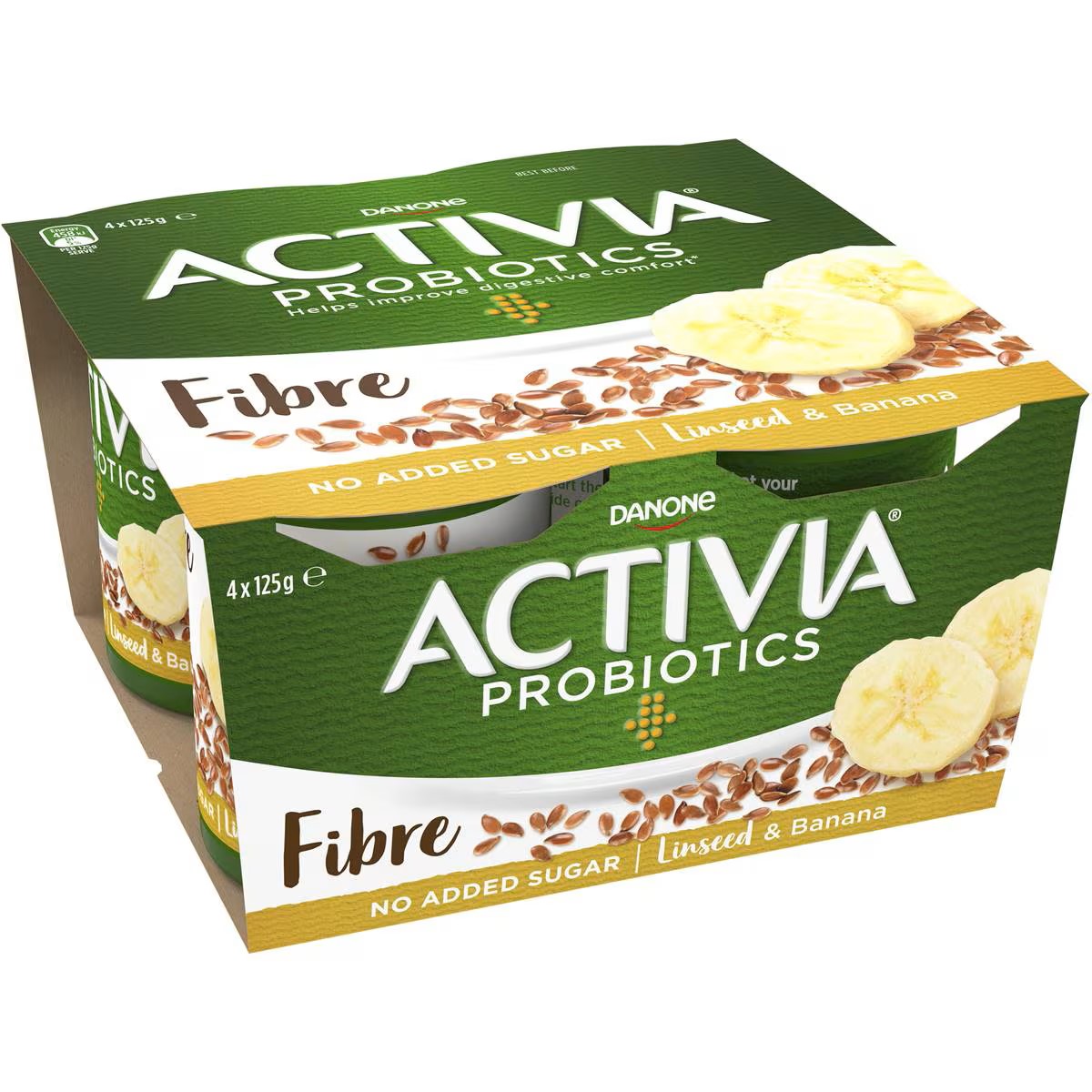
One of the most established and fast-growing functional platforms, driven by increasing awareness of the link between gut health and overall wellbeing. Innovation is moving beyond yogurts into prebiotic sodas, cereals, snacks, and supplements, with fiber increasingly emerging as a key growth engine within the category. Much like protein a decade ago, fiber is now evolving from a broadly recognized health benefit into a primary purchase driver across everyday food and beverage categories.
Protein & active nutrition
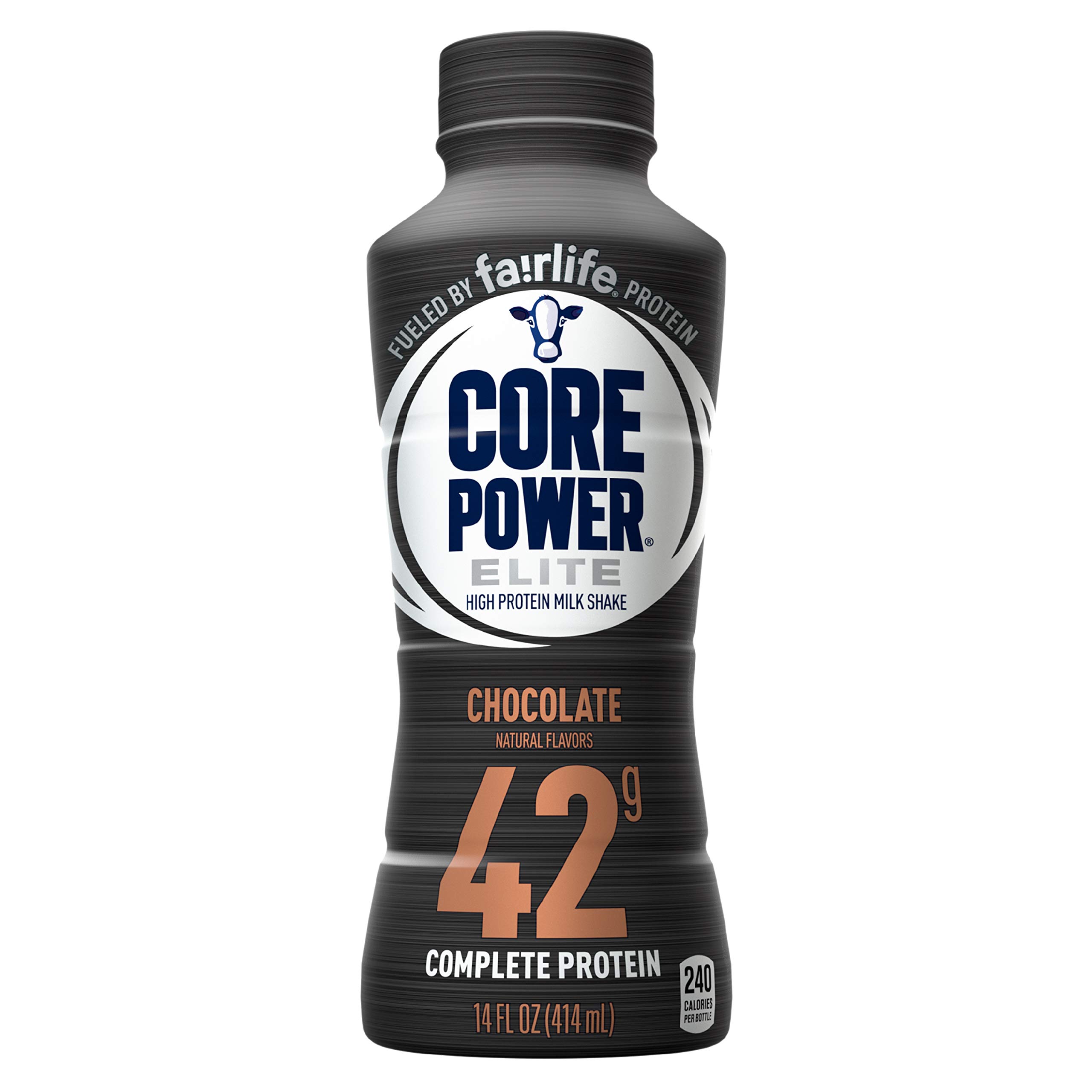
No longer limited to athletes, protein has become a mainstream nutritional need, associated with satiety, weight management, and healthy ageing. Growth is driven by plant-based proteins, ready-to-drink formats, and fortified snacks, expanding across all consumption occasions.
Cognitive & mental wellbeing
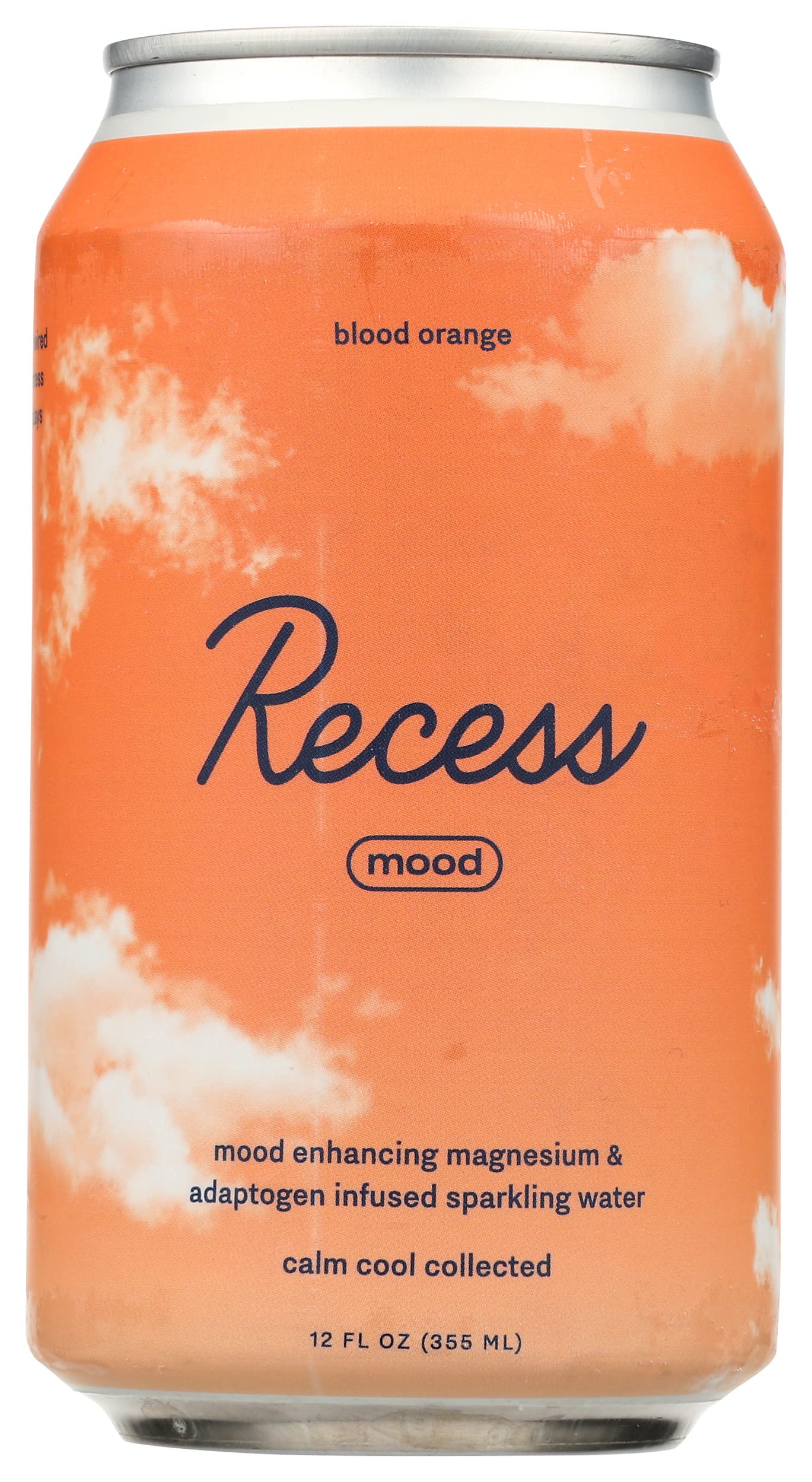
An emerging but rapidly expanding space, reflecting rising consumer focus on stress, focus, and sleep. Products increasingly incorporate adaptogens, nootropics, and calming ingredients, particularly in beverages and supplements targeting everyday mental performance.
Healthy ageing & longevity
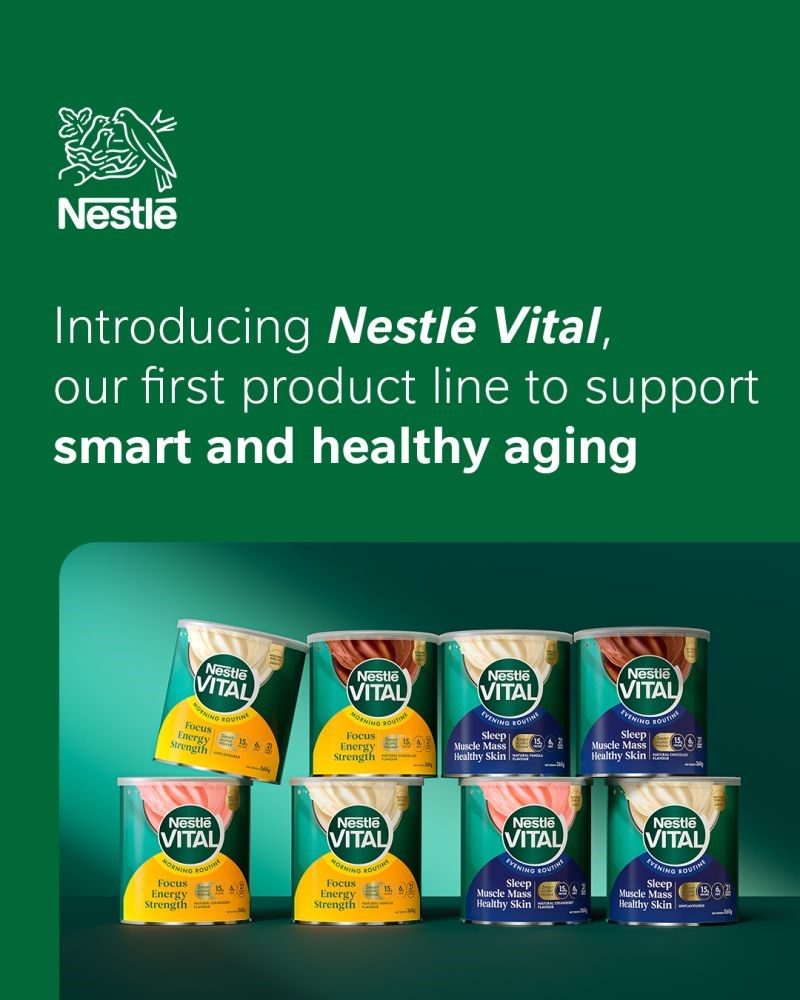
Fueled by demographic shifts, this platform is gaining traction beyond medical nutrition into everyday products. It includes benefits such as bone health, mobility, immunity, and vitality, often delivered through fortified foods and targeted formulations for older consumers.
Everyday “better-for-you” reformulation
The most scalable platform, focused on improving the nutritional profile of existing products, reducing sugar, salt, and fat while increasing fiber or micronutrients. Rather than creating new categories, this approach embeds functional benefits into everyday consumption at scale.
It is, in essence, clear that consumers are becoming less interested in specific ingredients themselves and more focused on the tangible outcomes they deliver, whether related to gut health, metabolic balance, cognitive performance, or healthy ageing. As a result, competitive advantage is increasingly moving away from simply adding functional ingredients toward building clear, claim-specific propositions that connect with identifiable consumer needs.
Which platform matters most?
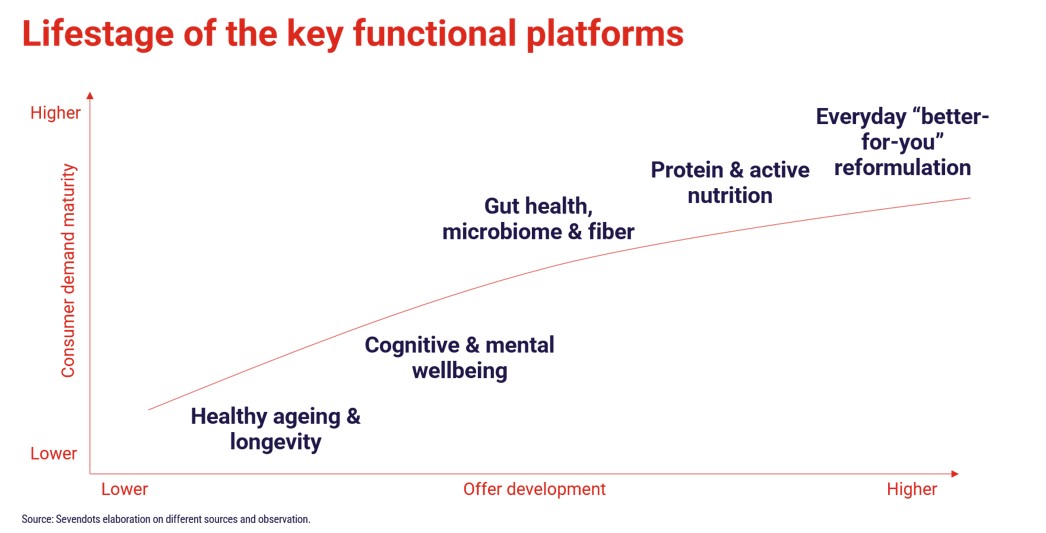
While all five functional platforms offer attractive growth opportunities, they are not at the same stage of development. Some, such as protein and better-for-you reformulation, have already achieved broad consumer awareness and extensive market penetration. Others, including cognitive wellbeing and healthy ageing, remain earlier in their development, with consumer interest growing faster than the availability of scaled food and beverage solutions.
This variation in maturity creates different strategic opportunities. More established platforms offer scale and proven demand but are often becoming increasingly competitive. Emerging platforms may be smaller today, yet they provide greater whitespace for innovation and the potential to establish leadership positions before categories fully mature.
The key takeaway is that no single platform is inherently more attractive than another. Rather, each presents a different balance of risk, growth potential, and competitive intensity. Companies that understand where each platform sits on its development journey can make more informed decisions about where to invest, how to prioritize innovation, and where to build long-term competitive advantage.
The shift: from products to platforms and occasions
Despite strong category growth, many companies still struggle to capture value. The issue is not lack of innovation, but lack of focus.
Three structural challenges stand out:
- Trend fragmentation
Functional benefits evolve quickly: from immunity (pandemic era) to gut health, mental wellness, and longevity today. Backing the wrong trend risks stranded innovation.
- Portfolio complexity
Functional propositions cut across categories: dairy, beverages, snacks, supplements. This creates internal silos and duplication, rather than synergy, and without a clear organizing logic, portfolios become difficult to scale and communicate.
- Credibility gap
Consumers are becoming more informed and skeptical. Claims must be increasingly science-backed and transparent, not just marketing-led. This raises the bar for R&D capabilities and regulatory rigor. (3)
At the same time, competition is increasingly shifting toward ownership of consumption occasions and delivery formats. Consumers are not only seeking specific health benefits, but also convenient ways to integrate them into existing routines. This is making “carriers” such as coffee, hydration drinks, snacks, and ready-to-drink beverages strategically important, as they allow functional benefits to be embedded into familiar daily habits. In this context, the ability to stretch a functional platform across multiple occasions and formats is becoming as important as the benefit itself.
In short, winning CPG players will be moving from isolated product innovation to scalable platform-based portfolio strategies that stretch across formats & occasions and that are anchored in enduring consumer needs, yet remain broad and flexible enough to adapt to rapidly evolving health priorities over time.
How large CPGs are rewiring their portfolios
A few examples on how large manufacturers are working in evolving their portfolios, capturing the functional food demand space.

1. Nestlé: scaling science across categories
Nestlé has leaned heavily into nutrition science as a core capability, building depth through its health science division and extensive R&D network. What started in infant nutrition has expanded into healthy ageing, medical nutrition, and specialized products such as fortified milk powders in Asia (4). Today, Nestlé’s Nutrition and Health Science division generate more than CHF 14 billion in annual revenues, accounting for roughly 16% of the company’s global sales. (5)
This science-led approach allows Nestlé to translate functional benefits across multiple categories – from dairy and beverages to supplements – while maintaining credibility with consumers and regulators.
Illustrative of this, Nestlé has recently strengthened its presence in the longevity space through the launch of Nestlé Vital, its first global brand dedicated to healthy ageing. The science-backed nutritional drink range targets consumers in midlife and beyond, with formulations designed to support energy, strength, sleep, focus, and recovery through tailored morning and evening routines.

Key takeaway: Build deep R&D capabilities, then scale across multiple categories (dairy, beverages, supplements).

2. Danone: owning gut health and “complete nutrition”
Danone has long anchored its portfolio in gut health with brands like Activia, building strong equity around probiotics and digestive health.
More recently, it has expanded into protein and broader nutrition spaces. The launch of Oikos, positioned as a high-protein Greek yogurt, illustrates this shift and allows Danone to move beyond digestion into satiety, fitness, and healthier indulgence, while staying close to its dairy core.
In parallel, moves into meal replacements and “complete nutrition” – e.g., through the €1 billion acquisition of Huel (6) – show how the company is stretching into new occasions such as on-the-go meals.
Key takeaway: Start with a strong functional “territory” (gut health), then expand into adjacent use cases (meal occasions, performance nutrition).

3. Unilever: portfolio pivot to wellbeing
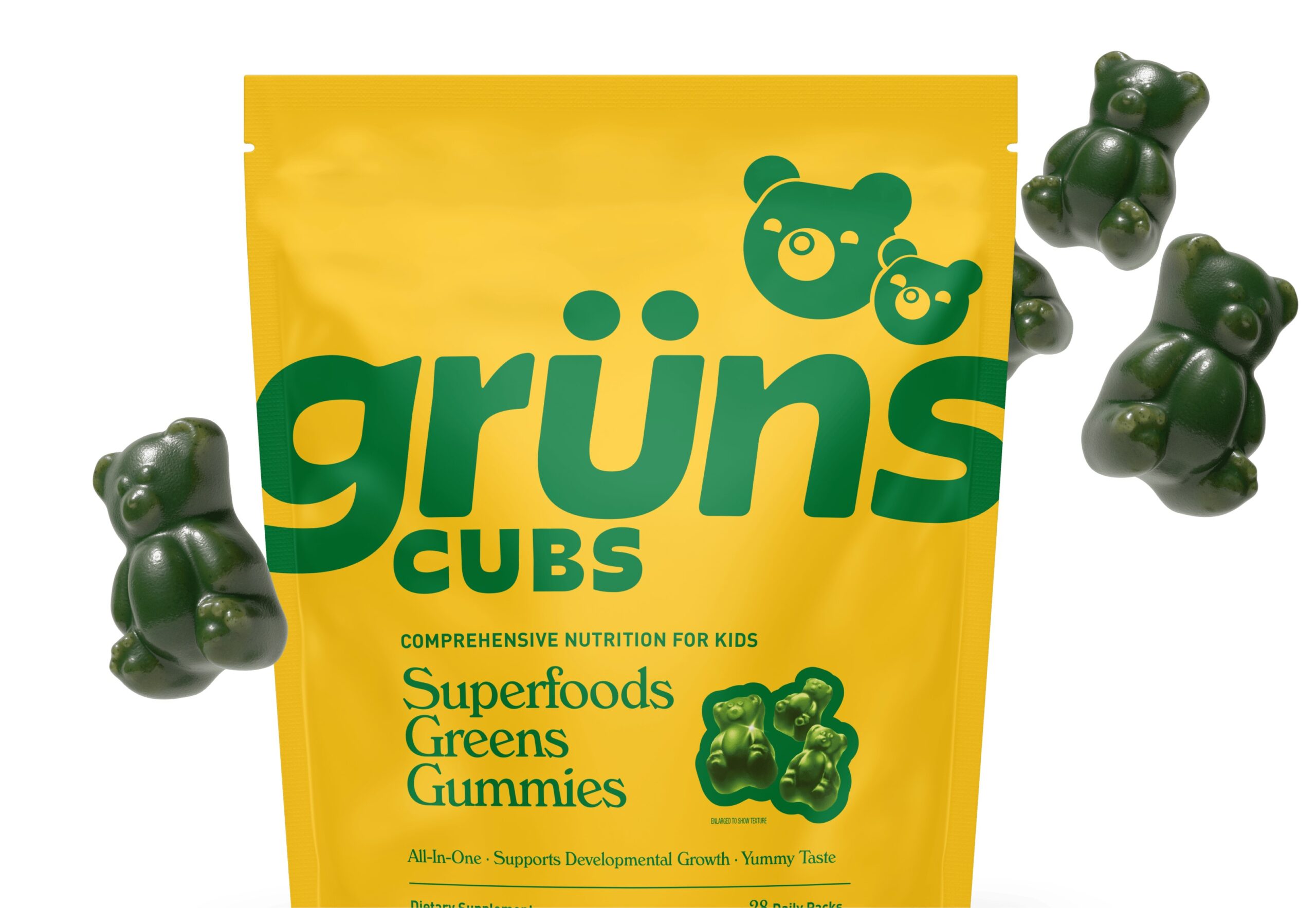
Unilever is actively reshaping its business toward health and wellness, acquiring brands like OLLY (vitamins), Liquid I.V. (hydration), and newer entrants in supplement and functional nutrition, such as Grüns (nutrient gummies) (7).
Rather than relying solely on internal innovation, Unilever is assembling a portfolio of high-growth brands across multiple functional spaces. Its approach emphasizes:
- Science-backed positioning
- Lifestyle branding for younger consumers
- Maintaining startup agility within a corporate ecosystem
In 2025, Unilever’s Wellbeing division delivered double-digit growth, driven by strong performances from Nutrafol, Liquid I.V., and OLLY, underscoring the company’s strategic focus on high-growth health and wellness platforms. (8)
Key takeaway: use M&A to accelerate entry into high-growth functional spaces, especially where internal capabilities lag.
4. PepsiCo & Coca-Cola: functionalizing beverages
Traditional beverage players are rethinking their core categories by embedding functional benefits into familiar formats:
- PepsiCo’s acquisition of prebiotic soda brand Poppi for $1.95 billion (9) illustrates the growing strategic importance of gut-health platforms within mainstream soft drinks.
- Coca-Cola has experimented with fiber-enhanced and functional beverages, aiming to respond to growing demand for healthier alternatives. (2)
Rather than building entirely new categories, both companies are leveraging existing consumption habits and distribution scale to introduce functional benefits at mass level.
Key takeaway: retrofit existing categories (e.g., soft drinks) with functional benefits rather than building entirely new ones.
How challengers are shaping the future of functional food
Startups are shaping the future of functional food faster than any established CPG player can, often by focusing on a single, clearly defined consumer need.
- Huel, now acquired by Danone, has built a strong position around “complete nutrition”, offering convenient, nutritionally balanced meals designed to deliver all essential nutrients in one product. (7)
- Bio & Me focuses on gut health, translating microbiome science into accessible cereals and snacks. (11)
- Olipop (12) and Poppi (13) (the last one acquired by PepsiCo) are redefining soft drinks by combining indulgence with gut health benefits; Olipop, for example, markets prebiotic sodas positioned around digestive health.
- Athletic Brewing Company taps into wellness and moderation trends, with a mission focused on improving consumers’ health and lifestyle through non-alcoholic alternatives. (14)
- Mission Tea reflects the rise of functional teas, offering blends designed for sustained energy, focus, recovery, and sleep, and positioned as a natural alternative to coffee and energy drinks. (15)
What sets these players apart is not just the product, but how they build their brands:
- Clear, focused proposition: Each brand owns a specific functional benefit rather than spreading across many.
- Direct-to-consumer engagement: They build closer relationships with consumers, often through subscriptions and digital channels.
- Strong community and storytelling: Education, influencers, and lifestyle positioning help make complex health benefits easy to understand and trust.
At the same time, many startups face challenges in scaling, particularly in distribution and operations. This has led to a more symbiotic relationship with global players, where startups act as early indicators of emerging functional trends, whereas larger players provide scale, capabilities, and global reach.
As a result, acquisitions and partnerships are becoming a key route to growth, allowing industry leaders to stay close to innovation while giving challengers a path to scale.
Four principles to build future-proof portfolios
While approaches differ across companies and categories, the most successful functional food portfolios tend to share a common set of strategic principles. These principles help organizations move beyond short-term innovation cycles and build scalable platforms that can adapt to evolving consumer definitions of health and wellbeing.
- Anchor around enduring needs, not trends. Gut health, energy, and ageing are structural needs, not fads. Build platforms here.
- Design for multiple occasions. Winning brands stretch across:
- Breakfast (functional cereals, dairy)
- On-the-go (RTD drinks, bars)
- Supplements (capsules, powders)
Example: protein now exists in snacks, drinks, and meal replacements.
- Combine science with simplicity. Consumers want credible but understandable benefits:
- “Supports digestion” beats “contains bifidobacterium DN-173 010”
- Clinical validation is becoming a key differentiator
- Build modular innovation systems. Instead of one-off SKUs, develop:
- Ingredient platforms (e.g., probiotics, adaptogens)
- Reusable formulations
- Cross-category pipelines
This reduces cost, and accelerates speed-to-market.
Conclusions – Making clear choices
For CPG leaders, the real question is prioritization. Do you:
- Double down on core categories and functionalize them?
- Build new platforms (e.g., supplements, medical nutrition)?
- Or acquire capabilities through startups?
There is no single answer, but the winners are those who make clear choices and build coherence across their portfolio, which should look much less like a collection of brands and more like a health ecosystem, spanning:
- Food
- Beverages
- Supplements
- Digital services (personalization, subscriptions)
The companies that succeed will be those that move early from product innovation to system-level thinking, building portfolios that are not only relevant today, but resilient to tomorrow’s shifting definitions of health.
How Sevendots can support
At Sevendots, we help CPG companies identify and scale the functional food platforms that will drive long-term growth. Our work supports leadership teams in making clear portfolio choices across health and wellness spaces, from gut health and protein to longevity and better-for-you reformulation.
This includes helping companies assess where to play, which consumer needs to prioritize, how to stretch platforms across formats and occasions, and where acquisitions or partnerships can accelerate capability building and growth.